
backlit makeup mirror
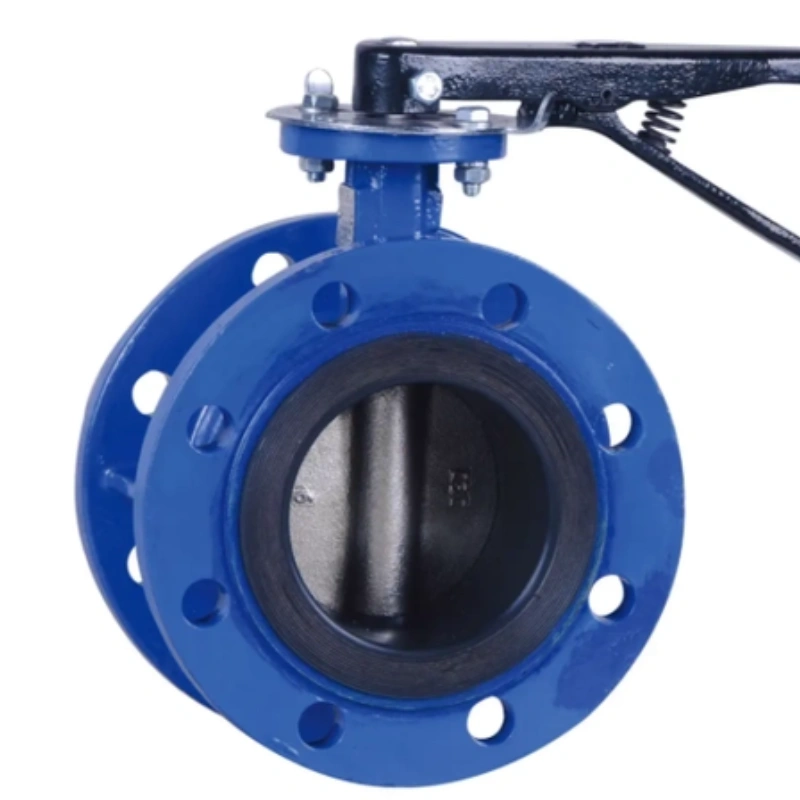
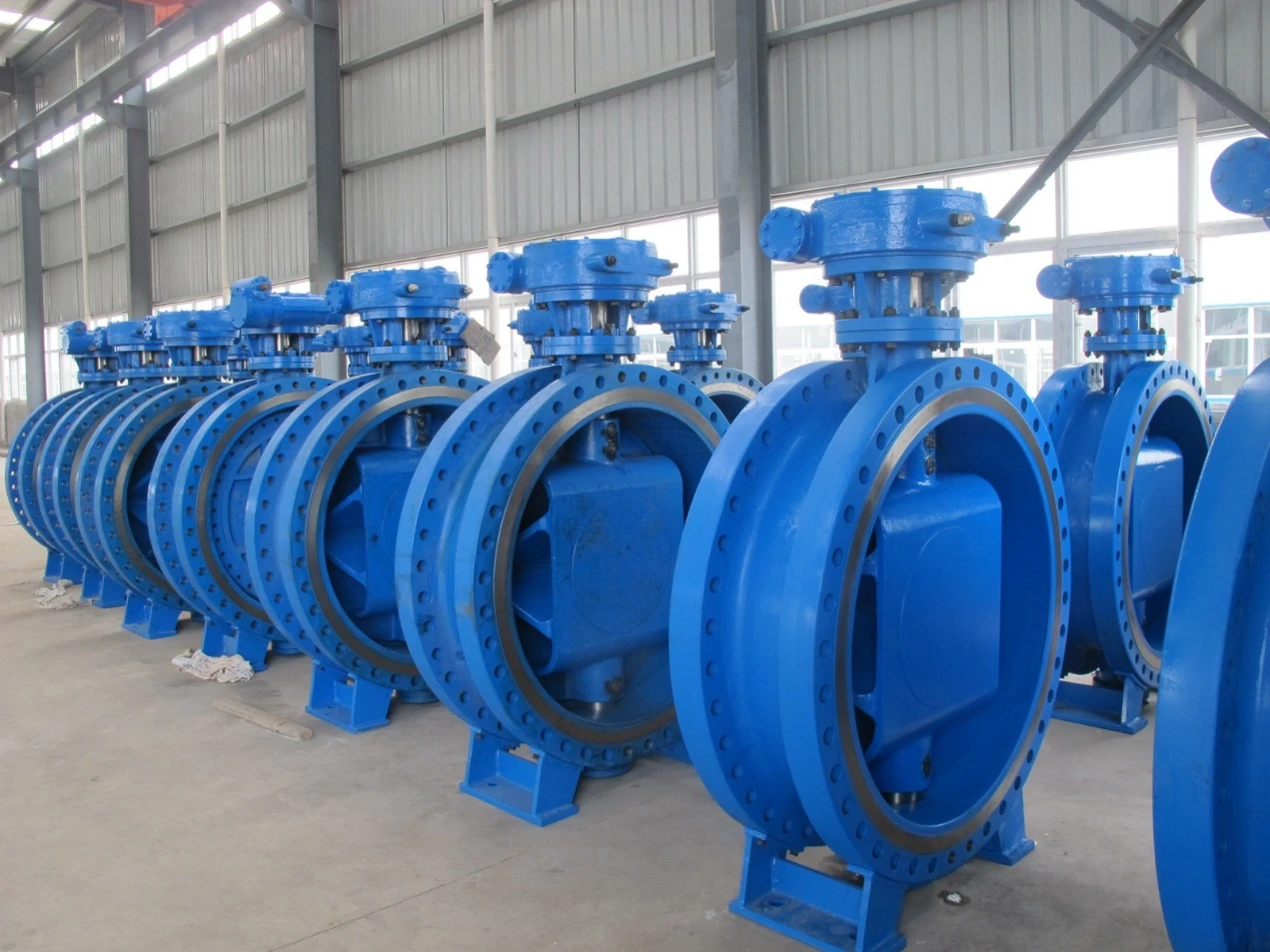
Understanding Pressure Check Valves Functionality and Importance In various industrial applications and systems, the management of pressure is critical to ensuring safety, efficiency, and reliability. One of the essential components in pressure management is the pressure check valve. These valves play a vital role in maintaining the integrity of systems by preventing backflow and ensuring that fluid or gas flows in the intended direction. What is a Pressure Check Valve? A pressure check valve is a specialized valve designed to allow fluid flow in one direction while preventing it from flowing backward. This unidirectional flow is crucial in numerous applications, including water treatment plants, manufacturing processes, and HVAC systems, where maintaining pressure balance is essential for optimal operation. The operation of a pressure check valve is quite straightforward it consists of a valve body, a seat, and a mechanism (typically a spring-loaded disc or ball) that seals the valve when reverse flow attempts to occur. When the pressure of the incoming fluid reaches a certain threshold, it lifts the disc or ball away from the seat, allowing fluid to pass through. If the pressure decreases or reverses, the mechanism returns to its seated position, thereby preventing backflow. Types of Pressure Check Valves There are several types of pressure check valves, each designed for specific applications and conditions 1. Swing Check Valve This type features a hinged disc that swings open to allow flow and closes when flow stops or reverses. It is commonly used in applications with higher flow rates. 2. Lift Check Valve This valve uses a vertical movement of the disc to open and close. It is more suitable for applications with low-pressure drops and is often used in water supply systems. 3. Ball Check Valve This valve utilizes a ball that sits in a seat. As pressure increases, the ball is pushed off the seat, allowing flow. When the pressure drops, the ball falls back into the seat, preventing backflow. 4. Tilting Disc Check Valve This type features a disc that tilts on a pivot, allowing for smoother and quieter operation. It is often employed in applications where noise reduction and pressure stability are critical. Key Features and Benefits The functionality of pressure check valves offers numerous benefits to industrial systems pressure check valve - Prevention of Backflow One of the primary functions of a pressure check valve is to prevent backflow, which can lead to contamination, equipment damage, or system failures. - Pressure Regulation By ensuring that fluids do not flow backward, these valves contribute to maintaining the necessary pressure levels within the system, which is crucial for operational efficiency. - Increased Safety In systems handling hazardous materials, the risk of reverse flow can pose significant safety risks. Pressure check valves mitigate these risks, enhancing overall system safety. - Reduced Maintenance Costs By preventing issues caused by backflow, pressure check valves can effectively reduce wear and tear on pumps and other components, resulting in lower maintenance costs over time. Considerations for Selection When selecting a pressure check valve for a specific application, several factors must be considered - Pressure Rating Ensure that the valve can handle the maximum pressures expected in the system. - Flow Characteristics The valve should be compatible with the flow rates and type of fluid being managed (liquid or gas). - Material Compatibility Depending on the fluid being handled, the valve material should be resistant to corrosion, erosion, or other forms of degradation. - Installation Orientation Some check valves are designed to function in specific orientations; therefore, compatibility with the intended installation setup is crucial. Conclusion Pressure check valves are indispensable components in a wide range of industrial applications. By ensuring unidirectional flow and preventing backflow, these valves help maintain system pressure, enhance safety, and reduce maintenance costs. Selecting the appropriate type of pressure check valve based on the specific requirements of an application is vital to maximizing its effectiveness. Understanding their role and functionality is essential for engineers, technicians, and anyone involved in system design or maintenance, ensuring that the systems operate safely and efficiently. As industries continue to evolve, the importance of reliable pressure management solutions, including pressure check valves, will only continue to grow.
about
backlit makeup mirror
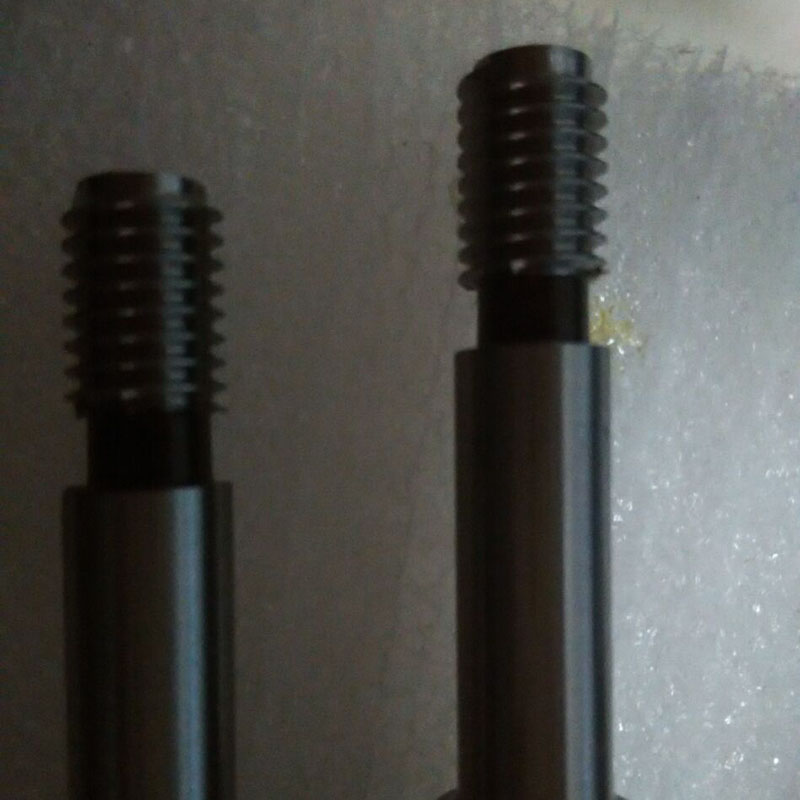
Understanding Standard Pin Gauge Sets Essential Tools for Precision Measurement In the world of manufacturing and engineering, precision is paramount. One of the fundamental tools that facilitate accuracy in measurement is the pin gauge set. A standard pin gauge set is an indispensable asset for quality control, mechanical engineering, and numerous other applications where the exactness of dimensions is crucial. This article will explore what standard pin gauge sets are, how they function, their applications, and the importance of selecting the right gauge for specific tasks. What is a Standard Pin Gauge Set? A pin gauge set consists of a collection of precision cylindrical pins that are typically made of steel and come in various diameters. These pins are manufactured to exact tolerances and are used to measure and check the sizes of holes, slots, and other dimensions. Standard pin gauge sets often include multiple pins that are categorized by their specific diameters, allowing users to test and confirm the dimensions of drilled holes or machined parts. How Do They Function? Pin gauges are relatively straightforward in their functioning. Each pin in the set is labeled with its corresponding diameter, allowing users to identify the size without confusion. When measuring an aperture, the operator selects a pin that is slightly larger than the hole to be measured and inserts it. If the pin fits, the next step is to find a pin of a slightly smaller diameter. This process continues until the user identifies the largest pin that fits snugly, which indicates the diameter of the hole. The precision of pin gauges is derived from their manufacturing process. They are made to extremely tight tolerances, ensuring that each pin corresponds exactly to its labeled size. This high level of accuracy is what makes pin gauges a trusted tool in environments that require meticulous measurements. Applications of Pin Gauge Sets standard pin gauge set Standard pin gauge sets are used in various industries. They are extensively used in machining and engineering fields where parts need to be produced to exact specifications. These gauges are also employed in quality control departments to verify that parts meet the required standards before they are sent out for use or assembly. Additionally, they are used in tool and die shops to ensure that molds and dies are created accurately. Moreover, pin gauges can serve a variety of uses in educational settings, particularly in engineering and manufacturing programs. By understanding how to utilize these tools, students gain valuable hands-on experience in precision measurement. Importance of Selecting the Right Pin Gauge While pin gauge sets come in standard sizes, it is crucial to select the correct set based on the specific application. Factors to consider include the range of sizes needed, the tolerances required, and the environment in which the gauges will be used. For example, a set with a wider range may be necessary for projects involving various component sizes, whereas a set with more specific sizes may suffice for smaller-scale operations. Moreover, maintenance of pin gauges is vital for ensuring their longevity and precision. Regular cleaning, as well as appropriate storage in protective cases, will prevent contamination and physical damage. Users should also periodically check the gauges for wear or damage, especially when used frequently. Conclusion In conclusion, standard pin gauge sets are critical tools in promoting accuracy and precision across various industries, particularly in engineering and manufacturing. Their straightforward design, combined with high precision tolerances, allows for effective measurement of dimensions that would otherwise be challenging to verify. Understanding how to use these gauges effectively and selecting the appropriate set for specific applications ensures that manufacturers and engineers can maintain quality control and achieve high standards in production. As industries continue to evolve, the role of pin gauge sets remains integral to the pursuit of perfection in precision measurements.
-

High quality industrial productsagement

High quality industrial products
View Details -

Meet the diverse needs of customers

Meet the diverse needs of customers
View Details -

Strict quality control

Strict quality control
View Details -

Top raw materials

Top raw materials
View Details -

Trusted supplier

Trusted supplier
View Details
Our application


news and information

Water Pressure Control Valve for Efficient System Regulation and Flow Management
Understanding Water Pressure Reduction Valves A Comprehensive Guide Water pressure reduction valves
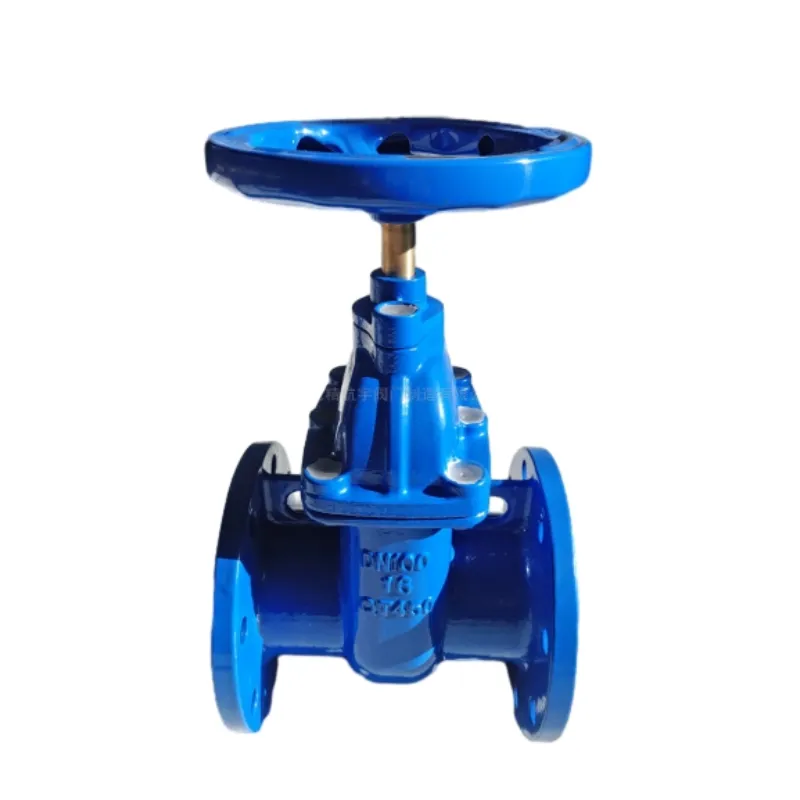
Válvula de globo com 2% de eficiência em sistemas hidráulicos industriais
Válvula de Bola de 2” x 1” x 2” Uma Solução Eficiente para Controle de Fluxo As válvulas têm um pape
v block & clamp
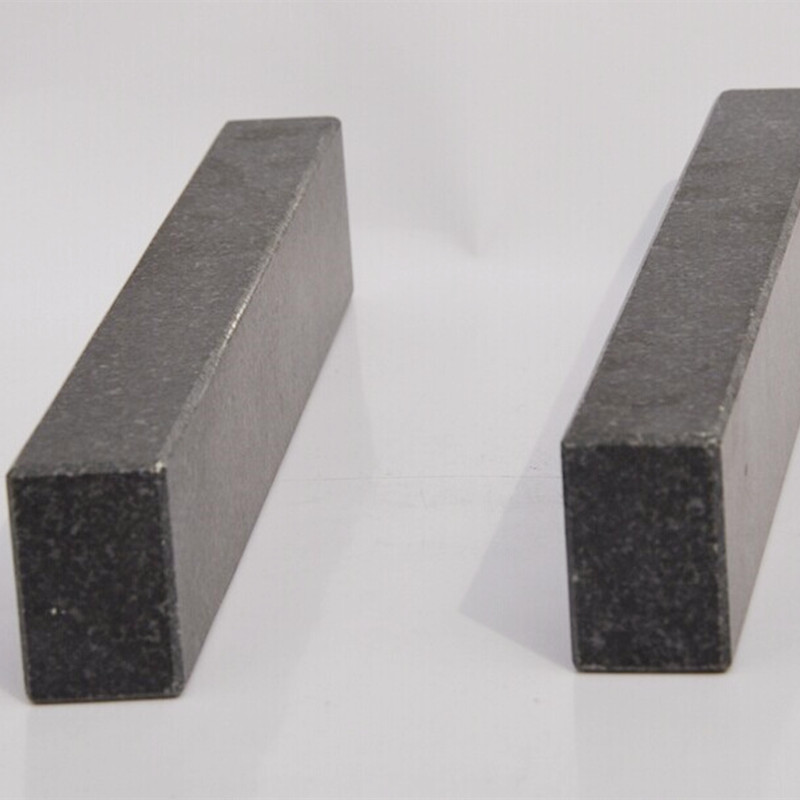
The Importance of V-Block and Clamp in Precision Workholding In various machining and manufacturing
 English